Palm Oil



Our palm oil
Sourcing palm oil sustainably is a crucial focus of our responsible sourcing approach.
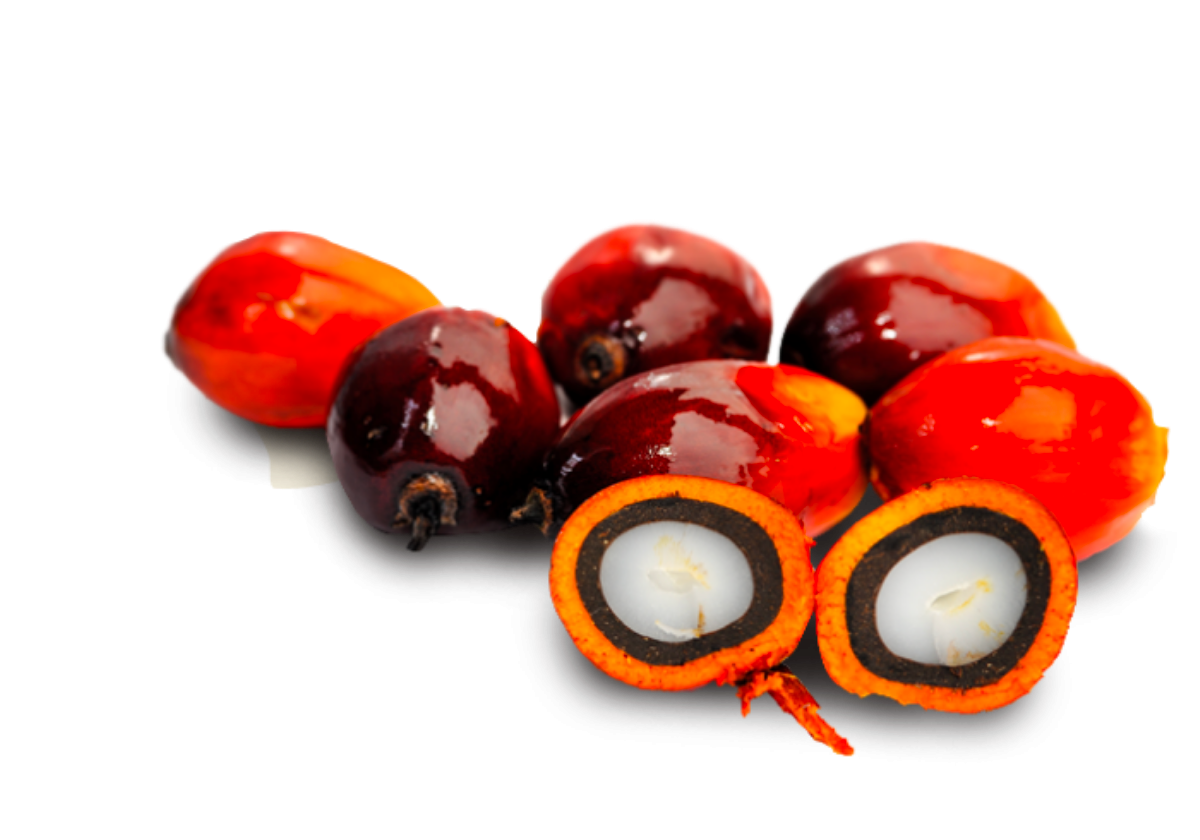
Palm oil has been part of human consumption for thousands of years, valued for the quality, texture and stability it brings to products. However, when not sourced responsibly, palm oil production can contribute to deforestation and biodiversity loss, particularly in regions with high ecological and cultural significance. Recognising these risks early on, we took a clear position: palm oil must be sourced responsibly, with respect for both people and nature.
Over 40 countries produce palm oil, with Malaysia and Indonesia accounting for around 85% of global production.
One of the challenges of sourcing palm oil is that when it is not sourced sustainably, harvesting methods can have a negative impact on biodiversity protection. Unsustainably sourced palm oil can contribute significantly to changes in land use along with the use of chemicals in tropical forests and other species-rich habitats, leading to deforestation. Social issues are also involved, along with the difficulty of tracing palm oil back to its source. In addition, the land rights of indigenous communities are often not recognised, and land clearance by oil palm companies can displace rural farmers.
Our leadership in responsible palm oil sourcing has been recognised externally, including by WWF, whose Palm Oil Buyers Scorecard highlights our comprehensive sourcing of RSPO Certified Segregated palm oil and strong traceability across the supply chain.




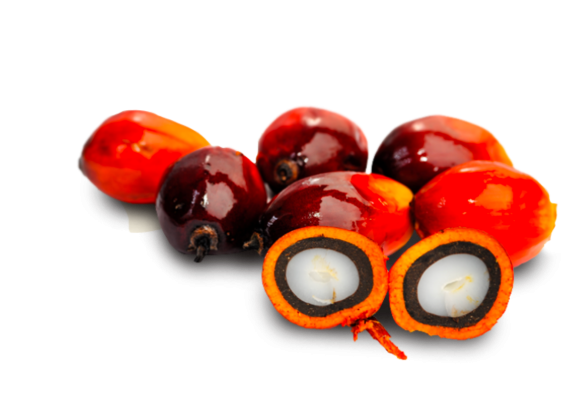
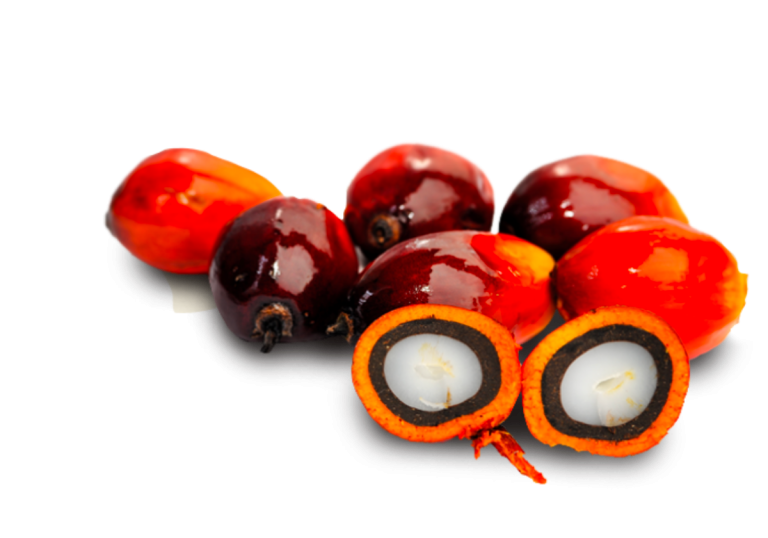
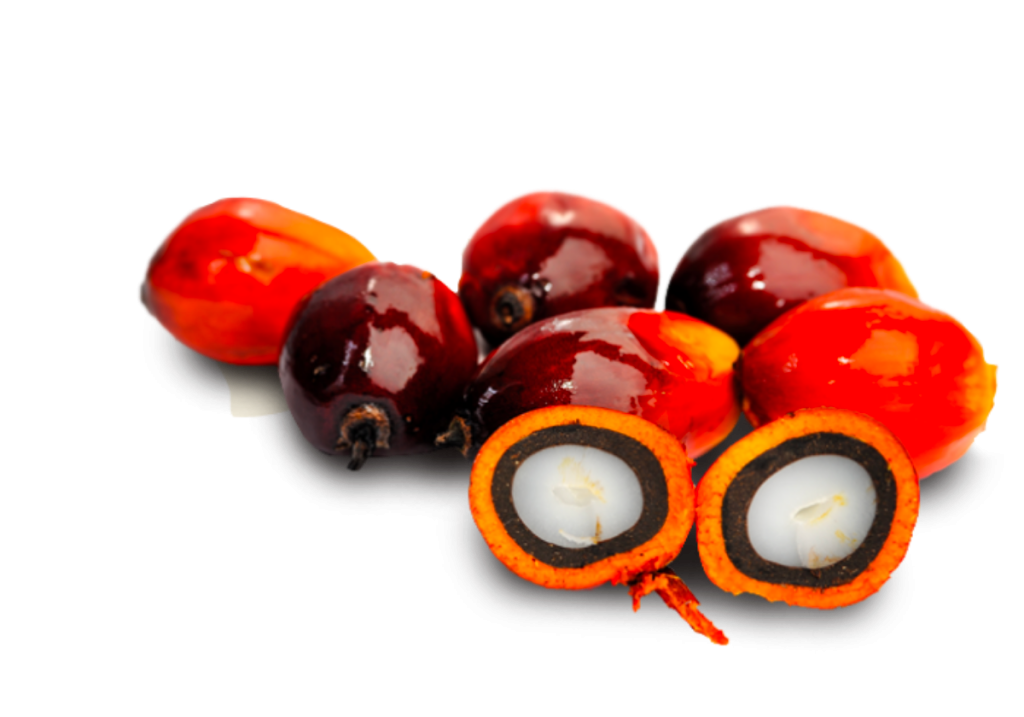
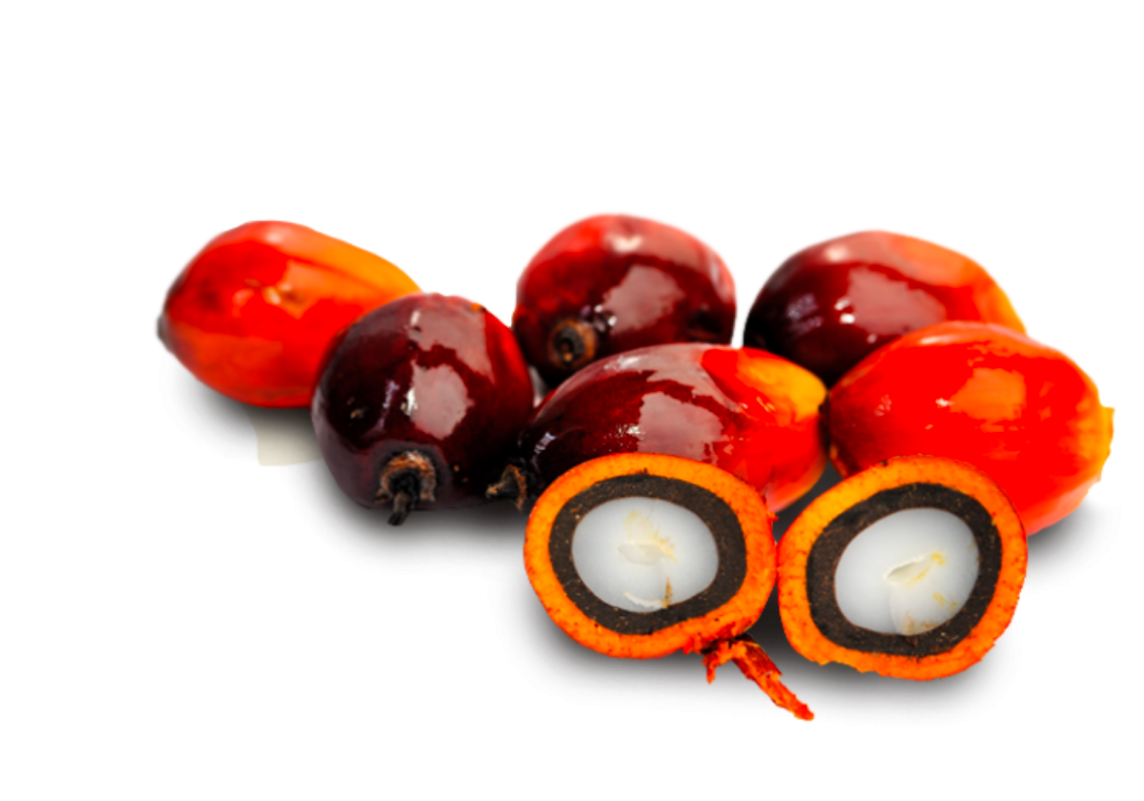
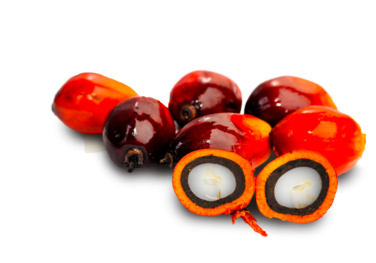
Our distinctive sourcing is based on the following
fundamental principles:
- Sourcing RSPO-certified palm oil for Ferrero products from a limited number of reliable suppliers, enabling us to trace our palm oil back to the plantation level while working with our suppliers to implement improvements and solutions.
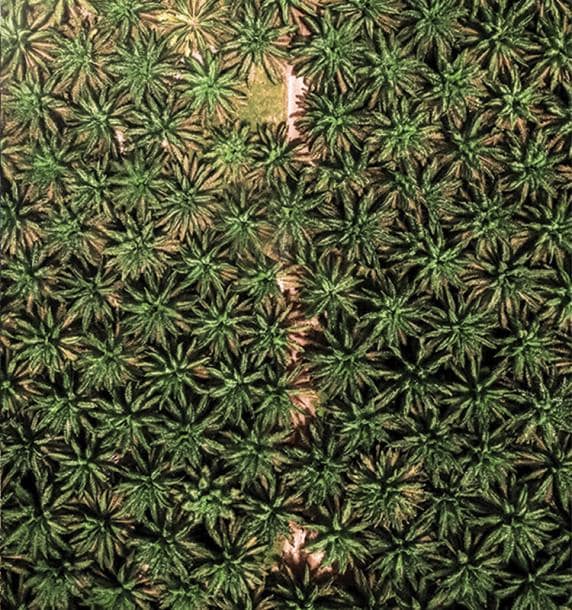
- Monitoring all our sourcing regions for deforestation with Starling Satellite technology (covering over 2 million hectares of land).
- A Palm Oil Charter and a Supplier Code outline our standards and requirements for responsibly sourced palm oil.
- Disclosing our palm oil supply chain for established Ferrero brands and acquired products.
- Traceability of palm oil to plantations, which sees Ferrero - including Thorntons, Fannie May, FMC (former Nestlé US confectionary business), ICFC, Eat Natural and former Kellogg’s - sourcing 95% RSPO-certified segregated palm oil, with 98% of it being traceable back to plantations.
In line with our aim to continue to evolve and innovate our sourcing methods through close collaboration with stakeholders at every level, we updated our Palm Oil Charter outlining our ambition to achieve a palm oil industry that is good for both people and nature by going beyond already high certification standards. We are working to realise this ambition through our approach to responsible palm oil sourcing, creating value that sees smallholders and farming communities thrive.
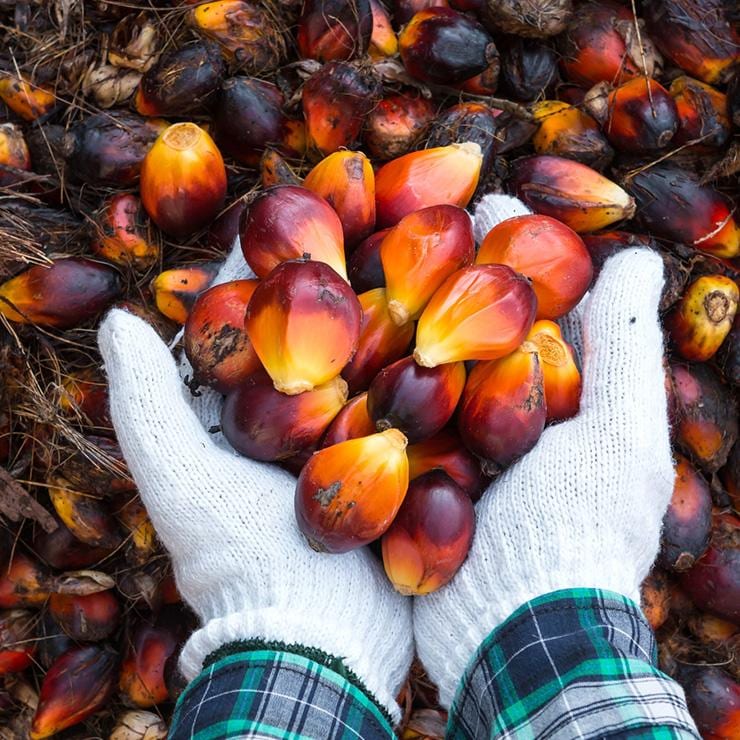
To be certified by RSPO, palm oil growers need to comply with the following seven principles:
(RSPO Principles and Criteria 2024 update)
- Act transparently, ethically, and responsibly
- Operate legally and with accountability
- Optimise productivity, demonstrate traceability, and create positive impacts
- Respect community and human rights, and deliver benefits
- Support and provide opportunities for smallholder inclusion
- Respect workers’ rights and working conditions
- Protect, conserve, and enhance ecosystems as responsible environmental stewards

“ We welcome Ferrero’s Palm oil charter, firstly because it builds on a successful implementation of previous commitments and associates words to action; secondly, Ferrero is demonstrating its commitment to driving environmental and social excellence linked to strong core values and long-term change. Finally, this Charter will inspire other companies to raise their bar, as collective leverage and action remain critical to scale impact beyond one company’s supply chain.”
Bastien Sachet, Earthworm Foundation CEO.
Human rights and social practices, environmental protection and
supplier transparency





The three pillars are built on a due diligence process which covers all Ferrero suppliers and guided by the Ferrero Farming Values (FFV) framework:
• Ferrero is committed to improved working and living conditions and fair recruitment across its value chain.
• Ferrero is actively monitoring and verifying via satellites that its value chain is deforestation-free.
• Ferrero is achieving a fully transparent value chain with full traceability to plantations, publication of mills and estates list, a time-bound Action Plan and Progress Reports.
Ferrero's palm oil
RSPO-certified
The Roundtable on Sustainable Palm Oil (RSPO) has developed a set of environmental and social criteria that companies must comply with to produce RSPO Certified Sustainable Palm Oil (CSPO). These criteria define requirements for responsible palm oil production, including legal compliance, environmental protection, and respect for human and labour rights.
Ferrero sources 100% RSPO-certified palm oil, primarily through the RSPO Segregated (SG) supply chain model. Under this model, certified palm oil from RSPO-certified plantations is kept separate from conventional palm oil throughout the supply chain, enabling traceability back to the mills and supporting verification of compliance with no-deforestation requirements.

Our efforts acknowledged by WWF
The 2024 WWF Palm Oil Buyers Scorecard, which evaluates global companies for supporting sustainable palm oil, WWF lists Ferrero as second out of 285. With a score of 22.9 out of 24, Ferrero is ranked as leading the industry of major global retailers, consumer goods manufacturers and food service companies.
Ferrero is especially recognised for its efforts that address the issue of deforestation in tropical areas and for the transparency of its supply chain. This result is a significant recognition of our efforts in responsibly-sourced palm oil and a great encouragement to continue our journey.
PALM OIL ARCHIVE
THERE IS STILL
A LOT TO DISCOVER