Climate Action
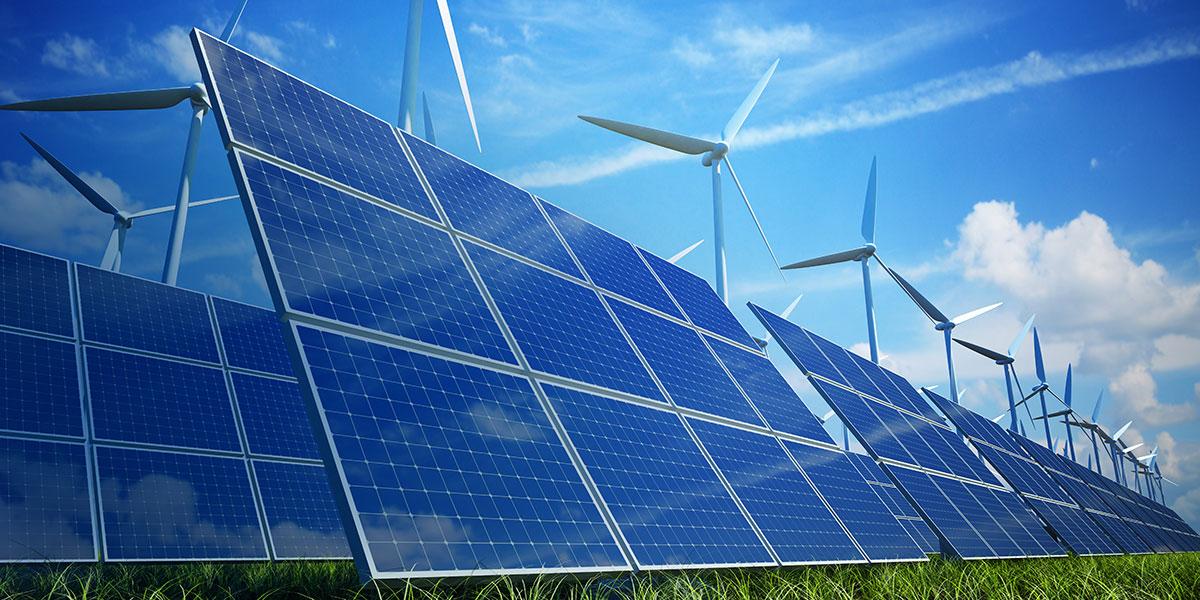
We aim to reduce our carbon footprint yearly by measuring and manufacturing our products to be more energy efficient in our global operations and working with our suppliers to reduce emissions and develop solutions with a lower carbon impact across our supply chains.
How Ferrero addresses climate change
Clear Targets
As a global company in the food and beverage industry, we play an important role in helping meet the goals of the Paris Agreement to limit average global temperatures.
The current climate emergency requires businesses to show their commitment towards reducing carbon emissions and helping to tackle climate change. We have been involved in climate action for decades, and are accelerating our efforts. In 2026, our science-based targets were updated and validated against the applicable SBTi criteria. The update reflects a more granular understanding of forest, land and agriculture (FLAG) emissions, improvements in our emissions data and the evolution of Ferrero’s business and value chain.
Our updated targets for 2030 are:
- Industrial emissions (generated by our operations, energy use, logistics, packaging and purchased goods):
- Reduce Scope 1 and 2 emissions by 50.4% from a 2018 baseline.
- Reduce Scope 3 industrial emissions by 20% from a 2022 baseline.
- Forest, Land and Agriculture (FLAG) emissions (generated by agricultural production, land use and land-use change associated with raw material sourcing):
- Reduce Scope 1 FLAG emissions by 36.4% from a 2018 baseline.
- Reduce Scope 3 FLAG emissions by 24.2% from a 2022 baseline.
- Reduce dairy-related Scope 3 FLAG emissions intensity by 32.15% per unit of dairy ingredient sourced, from a 2022 baseline.
- Achieve no deforestation across our primary deforestation-linked commodities by 24 June 2028.
The updated targets have been validated by SBTi Services against the applicable SBTi criteria.
Our method for reducing carbon emissions
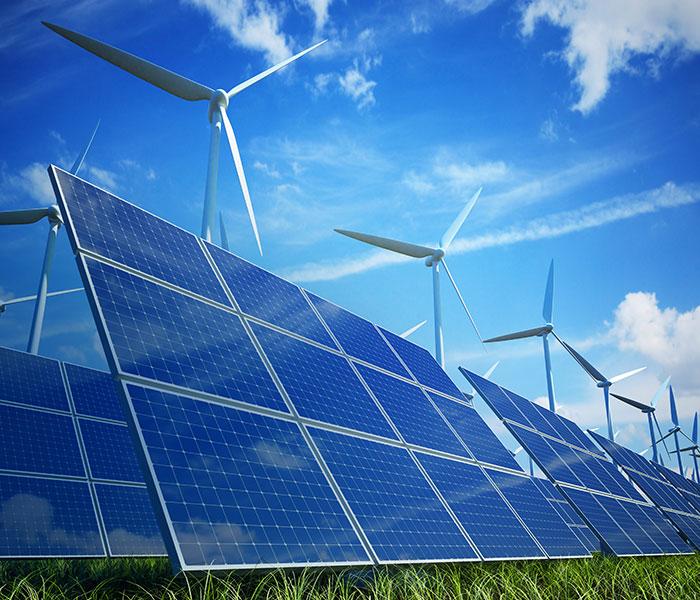
To achieve our first target to reduce emissions from our operations, we are investing in energy-efficient technologies, increasing on-site renewable energy production, and aiming to use alternative sustainable fuels to generate energy.
As part of our second target, we are working with our suppliers to reduce emissions and develop solutions with a lower carbon impact. We are setting local reduction targets for transport and warehousing to optimise our supply chain logistics. In addition, we follow the standards of the Global Logistic Emissions Council, a voluntary coalition of over 150 organisations working to reduce emissions and improve efficiency across global supply chains.
We have been measuring our total carbon footprint annually for the past decade to identify the impact of our activities, from raw materials to the use of our products. A clear picture of our impact across the value chain helps us to identify how to reduce our emissions and plan specific strategic projects.
Our aim: 100% renewable electricity for our plants
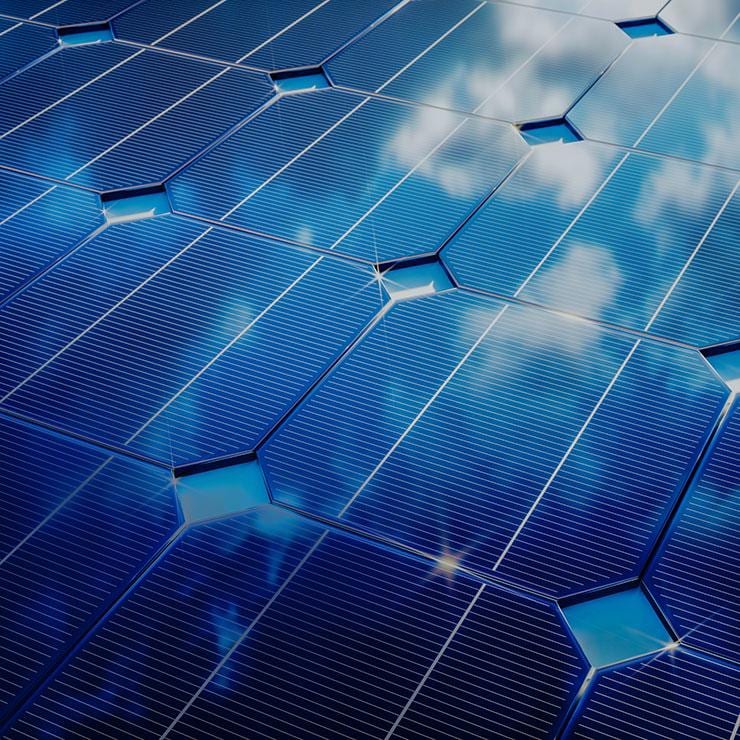
Energy efficiency is our main lever for reducing emissions while reducing costs and improving the performance of our operations. We are making good progress to reach our aim, purchasing only 100% renewable electricity for our manufacturing sites.
At the end of the fiscal year 2024/25, 24 of our plants were operating on 100% renewable electricity from the grid. This accounts for around 94% of the electricity we purchase for all our manufacturing sites worldwide.



A vital resource for our planet
With climate change increasing pressure on water resources, especially in water-stressed areas, we are committed to using water sustainably.
While our products are not water intensive, our operations require water for cooling and washing. Therefore, all our factories have set targets for water consumption and developed projects for water-saving, recycling and reuse. We guarantee, for example, the quality of the wastewater coming from our operations through treatment plants – either municipal or our own using the best available technologies and reusing water where possible.
In FY 2023/24, we conducted a Water Footprint Assessment to quantify our water use along with a Water Risk assessment to map and prioritise geographical locations at risk across our value chain.
In May 2025, we became a member of the Alliance for Water Stewardship (AWS), the custodians of the International Water Stewardship Standard (AWS Standard) which is widely recognised as a global benchmark for responsible, catchment-based water stewardship across environmental, social and economic dimensions.
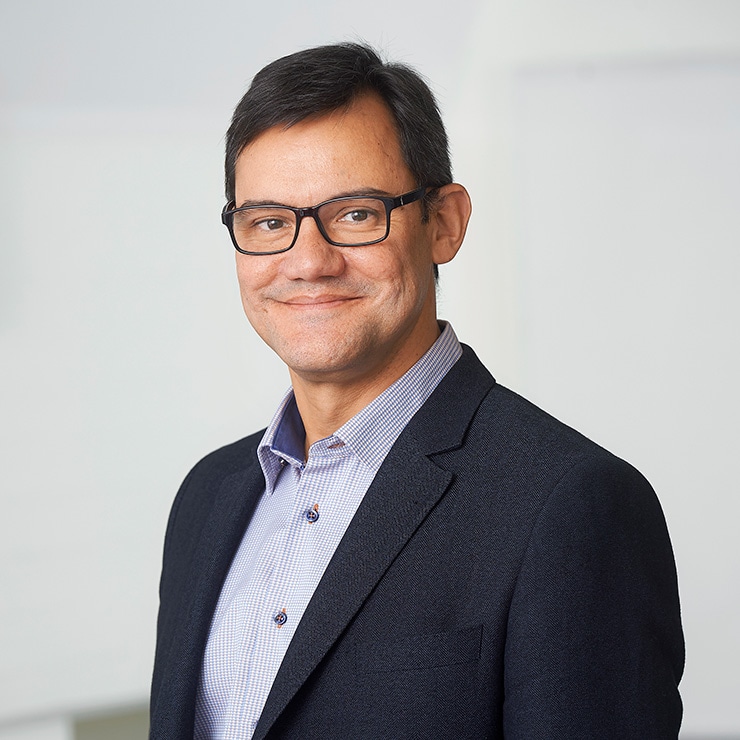
“ It is our responsibility as an industry to be part of the solution by limiting our carbon footprint and working together with all partners in our supply chain to take concrete actions in tackling climate change."
Mario Abreu, Head of Sustainability at Ferrero.
THERE IS STILL
A LOT TO DISCOVER